




 Parenting Guide


 Child Health & Growth


 Learning & Skills Development


 Food & Nutrition





Introduction
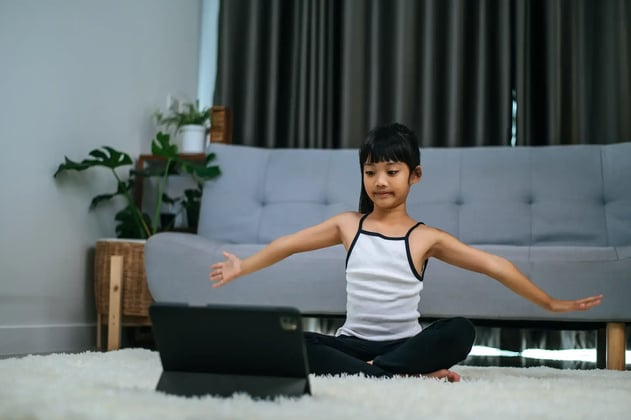
Yoga can be a very good and engaging activity for kids to attend to an active lifestyle. Yoga can boost flexibility, endurance, strength, and many other physical qualities in children, along with various mental aspects like calmness and mindfulness in children. Yoga has long been rooted in India and has traces found in various Ayurvedic books.
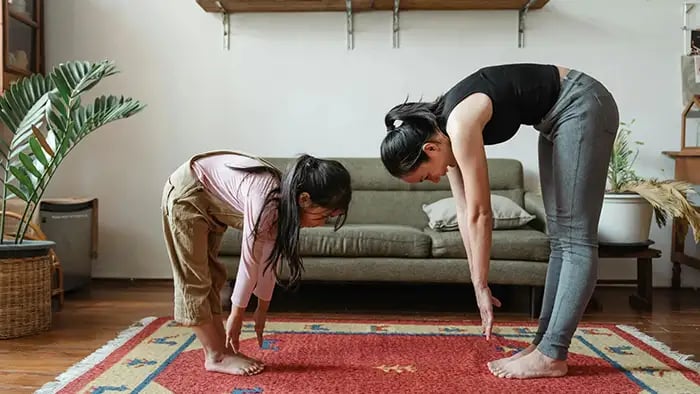
Yoga is now popular worldwide for its benefits and movements. Help your kids get fit and flexible through yoga poses that are easy to engage in without risks. Help your kids with this daily habit to gain a good body structure, better strength and endurance, and various other benefits. Keep reading for more on health & fitness!
It would be wrong to classify yoga as some regular exercise routine or warm-up. Yoga is a complete exercise of mind and body, connecting the soul with different core elements. Yoga also works to encourage various sensory feelings in the body with sheer concentration and focus.
Yoga can make the child fitter alongside it and calm them with proper focus and concentration. The child practicing regular yoga will also be prone to fewer health problems and will be more aware of their environment. Yoga has countless benefits as an exercise routine for children growing up.
What Is Kids Yoga and Why Is It Important?
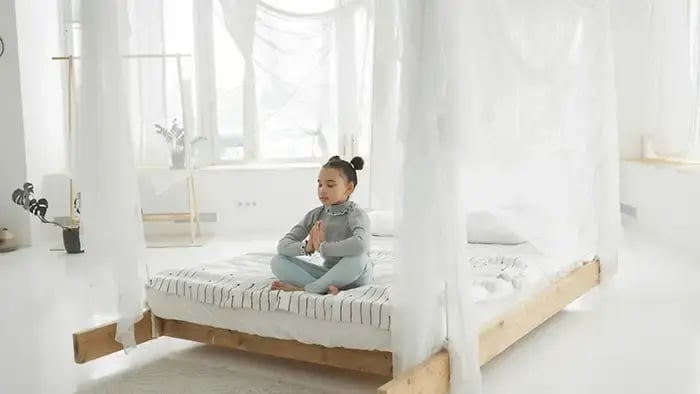
Kids yoga poses are taught through imagination, storytelling, and animal themes, not through anatomical instruction. Children learn body awareness through practice, not from technical explanations. This experiential approach produces real physical benefit as well as enjoyment that will support long-term participation.
What makes yoga different for children?
Academic pressure, reduced outdoor play, and increased screen time lead to developmental gaps in children. Yoga activities for kids are a direct antidote to the postural, emotional, and attentional deficits created by sedentary, screen-heavy lifestyles across age groups.
Yoga exercises for kids build strength, flexibility, coordination, and emotional regulation all at once with one practice. There is no other physical activity that can cover such a wide range of developmental needs in short, easily accessible, daily sessions.
Benefits of Yoga Poses for Kids
Improves Flexibility and Body Movement
Yoga poses for flexibility are meant to specifically open up the hip flexors, hamstrings, spine, and shoulders that sitting tightens over time. The poses are held for a length of time to create a gentle, sustained stretch that helps to release the chronic muscle tension children often develop from the postures they assume during the school day. Increased flexibility helps prevent injuries in any other physical activity your child does. You can measure improvements in the quality of body movement after four to six weeks of consistent daily practice.
Enhances Balance and Coordination
Yoga poses that improve balance, like tree pose and warrior III, are direct training for the proprioceptive system. The repeated balance challenge over sessions promotes rapid postural adjustment capacity in the nervous system. Focused standing-pose practice simultaneously develops coordination among breath, gaze, and limb position. Children with good balance (based on yoga) are consistently better coordinated in physical education settings.
Builds Strength and Endurance
Yoga poses for kids that build functional, full-body strength include plank, downward-facing dog, and warrior pose. Holding static positions to support body weight builds muscular endurance that sports performance depends on. The yoga-based core strengthening directly enhances the running, jumping, and movement quality specific to sport. Increases strength without the risks to developing bodies that come with the joint loading of external resistance equipment.
Boosts Focus, Calmness, and Mindfulness
Yoga postures demand sustained attention that directly trains concentration to classroom learning demands. Breath awareness practice reduces the mental chatter that distracts children when they are working on academic tasks. Yoga and other mindfulness-based activities have been found to improve focus scores in school children. With regular practice comes calmness that translates into better emotional responses when under pressure.
Supports Emotional and Social Development
In groups, kids do fun yoga poses to build the social attunement that only partner and group activities can. Children learn to respect personal space, to support their peers, and to celebrate collective achievement over individual performance. Yoga gives you emotional development. It’s the experience of facing discomfort with equanimity and patience. These social-emotional skills directly translate into better classroom relationships and conflict resolution capacity.
10 Engaging and Easy Yoga Poses for Kids
1. Downward-Facing Dog – Stretching and Energy Boost
Downward dog is one accessible pose that stretches the hamstrings, calves, spine and shoulder girdle. Kids make an inverted V by pushing their hips up to the ceiling from a hand and foot position. This yoga pose provides a gentle inversion and full-body elongation, which naturally energizes. And, it’s still one of the most popular yoga poses for kids of all ages and experience levels.
2. Happy Baby Pose – Relaxation and Flexibility
Lie on your back and grab the outer feet with knees pulled to the armpits. This pose is a gentle opener for the hips, inner groin and lower back all at the same time with the help of natural gravity. The position is inherently playful for children as it mimics the way babies naturally explore their feet. It makes a great closing or resting pose for any kids yoga routine.
3. Cobra (Snake Pose) – Improves Posture
Bhujangasana strengthens the spinal extensors, opens the chest, and stretches the abdominal muscles. Children lie on their faces, palms beside their shoulders, and raise the chest without straightening their arms completely. This position directly counters the rounded-forward posture caused by heavy backpacks and device use. It is one of the most posture-corrective yoga asanas for kids offered in a beginner-friendly format.
4. Tree Pose – Builds Balance and Focus
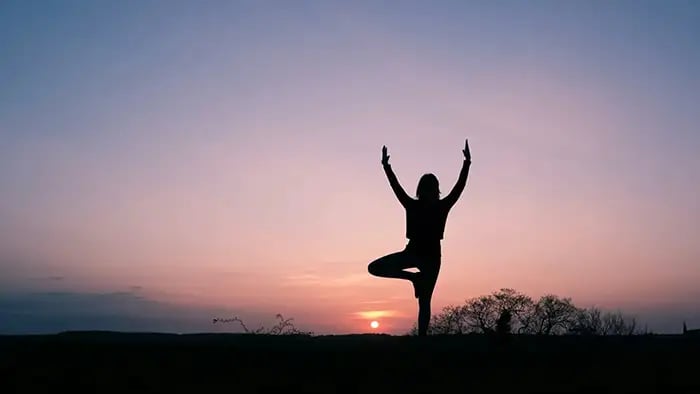
Vrikshasana develops one-legged stability, hip strength and the sharp gaze control required for mental calm. The child joins the hands in front of the chest or above the head, with one foot on the inner calf or thigh. Static exercises alone do not train the nervous system as well as balance challenges do. This is the go-to yoga pose for balance taught in almost every children’s yoga program in the world.
5. Cat-Cow Pose – Improves Spine Flexibility
Cat-cow is a series of movements that rhythmically move between spinal flexion and extension in synchronization with the breath. Children start all fours and arch their back on exhale and round on inhale continuously. This dynamic position releases the tension in the spine, increases the intervertebral mobility and at the same time develops the breath-movement coordination. It is one of the most therapeutic simple yoga poses for kids for kids carrying heavy school bags every day.
6. Lion Pose – Fun Breathing Exercise
Lion pose involves a strong exhalation, tongue sticking out, eyes wide, and fingers spread out like claws. Kids find this pose hilarious, which immediately reduces social anxiety around group yoga practice. The forceful breathing out releases physical tension from the face, jaw and throat that children hold in under stress. This yoga activity for kids is also a great breathing exercise, teaching conscious breath release.
7. Warrior Pose – Strength and Stability
Warrior pose builds leg strength, hip flexibility, core stability and the confident body language of a strong stance. The wide-legged lunge with arms outstretched builds the lower-body strength that is essential for athletic performance. Warrior pose, held for five to ten breaths, builds mental determination in kids along with physical strength. This is one of the most empowering yoga poses for kids to build physical confidence in school-aged children.
8. Boat Pose – Core Strength
Navasana has you balancing on your sitting bones while raising your legs and torso into a V-shape. This challenging pose builds deep core strength, hip flexor endurance and spinal stability all at once. Kids begin with the bent-knee pose and progress to straight-leg variations over the weeks. The boat pose builds the abdominal strength you need to have good posture, athletic performance, and a healthy back.
9. Bridge Pose – Strengthens Back and Legs
Setu Bandhasana As the feet push down, the glutes and hamstrings work hard to lift the pelvis off the floor. This posterior chain strengthening pose directly counteracts the hip-flexor dominance that comes from sitting too long. Regular practice of Bridge pose can make kids feel better about their lower backs on long school days. It is one of the most functionally useful yoga poses for kids, especially for the school-going age group.
10. Butterfly Pose – Improves Flexibility
Baddha Konasana passively and gently stretches the inner thigh, groin and hip adductor muscles. The child sits with the soles of the feet together, enabling gravity to gently coax the knees to the floor. The butterfly pose increases hip flexibility, which decreases lower back tension, and makes sitting for long periods of study more comfortable. This easy yoga pose for kids is suitable for all fitness levels and ages from preschool to teenage years.
Animal Yoga Poses for Kids (Fun Learning Through Movement)
Animal yoga poses for kids instantly engage imagination, playfulness and identity through familiar movement patterns of creatures. When children are expressively being a frog, cat, cobra or butterfly, they forget they are exercising. Animal names help recall poses across multiple sessions without requiring the young practitioners to learn technical Sanskrit names. Group animal yoga is what creates the social bonding and shared laughter that keeps kids engaged long-term.
Cat pose rounds the spine on exhale, like a scared cat’s arching back. Cow pose is the happy grazing cow that drops the belly and lifts the gaze on inhale. Cobra lifts himself up from the floor, chest up, as if a snake is rising from the ground. Butterfly opens and closes the bent knee legs in a rhythmic motion mimicking the gentle motion pattern of butterfly wings. Every animal pose promotes a particular physical benefit through a movement pattern that children naturally understand and enjoy.
Beginner Yoga Routine for Kids at Home
5–10 Minute Daily Yoga Routine
Child’s pose. Here is a 5-min home yoga routine for kids. In each pose breathe slowly for three to five slow breaths and then move to the next. This small daily investment builds the physical consistency that results in measurable flexibility and strength gains in just weeks. All measurable developmental outcomes are better when the child is given short daily routines at home rather than longer occasional ones.
Combining Stretching + Breathing
The conscious synchronization of breath during the hold of each yoga pose at home is maximally effective. Yoga develops a unique breath-movement integration through inhaling in expansion poses and exhaling in folding poses. Yoga poses for flexibility, held on slow exhales, improve faster than static stretching with breath-holding. Teaching kids to breathe through discomfort builds emotional regulation capacity that yoga’s physical practice uniquely builds.
Tips to Make Yoga Fun and Engaging for Kids
Turn poses into games
Pose-hold competitions, balance challenges and creative shape-making games all keep engagement through playful format. Children race to see who can hold a tree pose the longest. They develop their balance and have fun with yoga as a game. 3. Games eliminate the performance anxiety that formal instruction sometimes needlessly brings to the practice of beginners.
Use storytelling
With a guided yoga story, kids are led through sequences that would seem random without a story to accompany them. Ten poses flow naturally in a single imaginative journey through a jungle as different animals. Storytelling holds attention for fifteen to twenty minutes, whereas instruction-based formats lose it after five minutes.
Practice with parents
Children training with parents show significantly higher voluntary participation and a more positive attitude. Parents who model imperfect, playful tries give children permission to join in without self-consciousness or pressure to perform. Shared memories are built through family yoga poses at home, and each pose offers its own physical benefits.
Keep sessions short and playful
Five to ten minutes of yoga really enjoy is better than thirty minutes of unwilling compliance. Children who want more after sessions return the next day without any prompting from parents. The best way to build sustainable long-term yoga habits is to leave the child hungry for more.
Safety Tips for Kids Practicing Yoga
Avoid Overstretching
Children are naturally more flexible than adults and are at risk of overstretching because of this. The poses should cause a mild feeling, not sharp pain or excessive pulling pain. Teachers should be explicit with kids that they shouldn’t push themselves into painful ranges just to be as deep as the other kids.
Focus on Proper Posture
Correct alignment protects joints and provides the desired muscular benefits of each yoga pose. Downward dog with a rounded spine gives less benefit and more spinal stress to the child. When teaching children yoga, the quality of form will always be primary focus, with depth of stretch a secondary consideration.
Practice on a Safe Surface
A non-slip yoga mat prevents the injuries from slipping that polished floor surfaces cause when performing balance poses. Provide enough space around the activity sequence to prevent injuries from collisions during dynamic transitions or partner activities. If you don’t have an indoor mat space, the outdoors on grass provides a natural cushion for your floor poses.
Supervision for Beginners
Without anyone to guide new practitioners through inversions, advanced balances, or difficult backbends, they may develop poor habits of form. The first guided sessions set down the safe basic technique, and then independent practice at home correctly maintains this. If you’re a parent supervising home beginner yoga for kids, encourage rather than correct in the early learning stages.
Common Mistakes to Avoid While Teaching Yoga to Kids
Forcing poses
Deepening a child's limb position through force causes pain, distrust and risk of injury. Children's bodies develop at their own pace, and external pressure always interferes rather than speeds things up. Always development does better with gentle verbal encouragement to depth than with physical force to depth.
Ignoring the fun element
A kids yoga class that is technically correct but joyless does not serve the primary developmental purpose of the children. Signs of a successful yoga practice for children are laughter, creativity and imagination. Fun is what keeps you coming back, again and again, for the physical and psychological benefits that yoga really provides.
Long sessions cause boredom
Children’s sustained attention for structured physical practice is from five to twenty minutes and varies with age. Sessions that exceed attention capacity result in the fidgeting, distraction, and disengagement that parents misinterpret as disinterest. This completely preventable failure mode is avoided by matching session length with the child's actual developmental attention span.
Lack of consistency
Three eager sessions and a fortnight of nothing produce no lasting physical or psychological benefit. Regular five-minute practice every day for thirty consecutive days produces developmental results that are transformational and that irregular longer sessions cannot match. Quality or duration of any single session is not the factor that governs habit creation; it is purely repetition frequency.
Conclusion
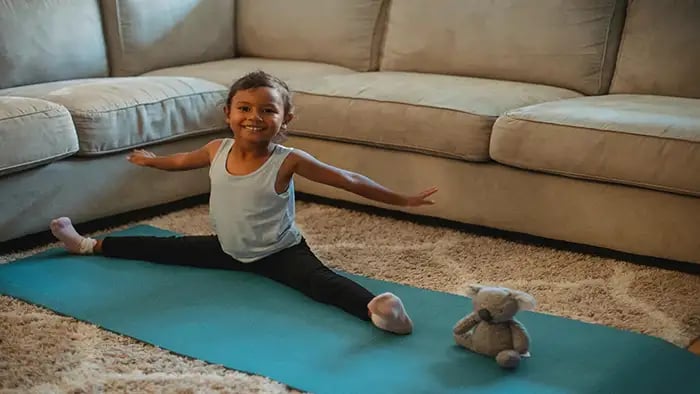
Kids yoga poses are a fun, structured, developmentally complete physical practice accessible to all children. Short, daily sessions blend fitness, flexibility, and mindfulness to build lifetime habits. Children who learn the joy of yoga activities for kids at an early age carry that practice into every challenging stage of life ahead.
Frequently Asked Questions
What are the best yoga poses for kids?

The best yoga poses for kids are those that are easy to do, provide physical benefits, and are fun and imaginative at the same time. Downward dog, tree pose, cobra, bridge and butterfly address strength, flexibility, balance and relaxation respectively. Animal-themed poses consistently generate the most engagement and retention with children of all ages.
How often should kids practice yoga?
Kids benefit more consistently from daily five to ten minute yoga exercises than from weekly longer sessions. The Indian Academy of Pediatrics recommends daily physical activity including yoga for all school children. The results of frequency and consistency cannot be matched by any single session length.
Are yoga poses safe for young children?
If designed with developmental appropriateness in mind, kids’ easy yoga asanas are safe from the age of three onward. Adult poses are reduced in scale but not in form, posing joint stress and alignment hazards for growing bodies. Regularly practicing age-appropriate children’s yoga programs, led by qualified instructors, is unlikely to cause injury.
Can yoga improve flexibility in kids?
Within four to six weeks, using yoga poses for flexibility will result in measurable improvements in hamstring length, hip mobility, and spinal extension. Children are more flexible than adults because their connective tissue is more responsive to gentle, steady stretching. The results require daily practice, not sporadic sessions, to build up effectively over the developmental period.
What is the best age to start yoga?
Appropriate for ages three and up, animal themes and storytelling with yoga poses work well with preschoolers. Structured pose learning with breath instruction is effective for children aged 6-7. Teens benefit from adult-style classes with modifications that account for the postural and flexibility needs unique to adolescents.
Smriti is a content writer who creates clear, practical, and informative content backed by science and relevant data. With a strong understanding of structured writing, she breaks down complex topics into simple, actionable insights. Her work is focused on helping readers prepare, learn, and grow with confidence and clarity.
The views expressed are that of the expert alone.
Popular Topics