




 Parenting Guide


 Child Health & Growth


 Learning & Skills Development


 Food & Nutrition


 Bournvita





Introduction
Writing clearly is an important skill that children develop throughout their school years. From completing classroom assignments and taking notes to writing exams and expressing their ideas, children use their hands and fingers regularly. However, weak hand and finger muscles can make writing more difficult and tiring. Some children may struggle to hold a pencil comfortably, control their movements or maintain their handwriting for longer periods. This can result in unclear handwriting, hand fatigue and frustration, especially when they have a lot of written work to complete. Building hand strength through simple, playful activities can help children practise the movements needed for better pencil control and fine motor coordination. Activities such as squeezing, pinching, cutting, threading and shaping materials can easily be included in a child's daily routine.
Why Hand and Finger Strength Matters for Writing?
Hand and finger strength directly supports a child's ability to hold and control a pencil while writing. When children have stronger hand muscles, they may find it easier to maintain a comfortable pencil grip, form letters and numbers clearly, and complete written tasks without tiring quickly.
Good hand control also supports precision and coordination. These skills are useful beyond handwriting, helping children with everyday activities such as buttoning clothes, tying shoelaces, using cutlery and handling small objects. Developing these fine motor skills can therefore support greater independence and confidence in school and daily life.
6 Activities to Develop Children's Hand and Finger Grip Strength for Writing
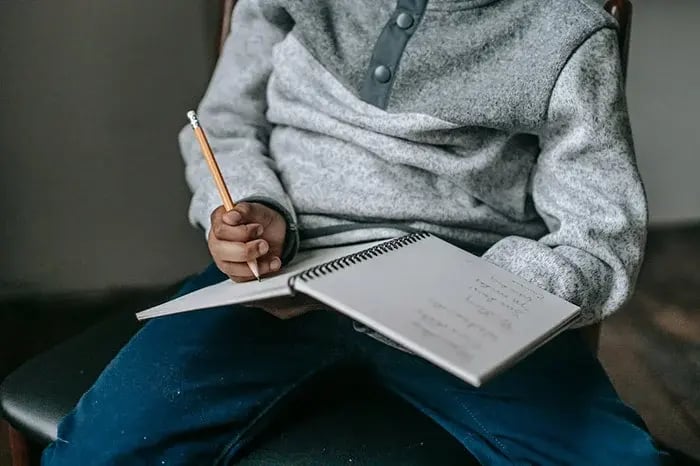
These simple activities can help children practise hand strength, finger control and coordination while keeping the process playful.
Playdough
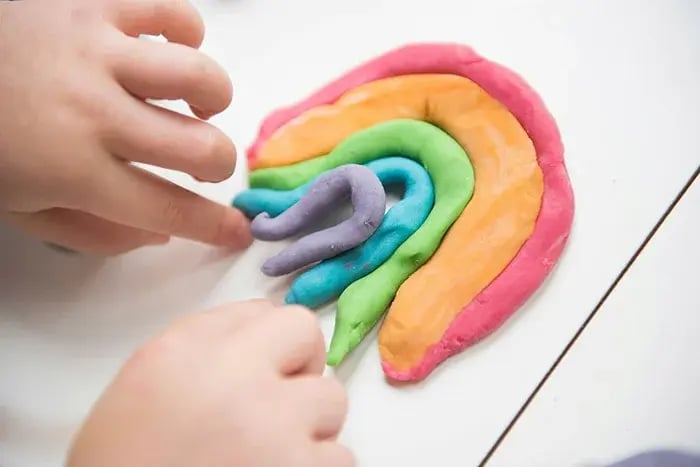
Playdough encourages children to pinch, roll, squeeze and flatten the material, giving their hands and fingers plenty of movement. Ask your child to make different shapes, letters or numbers with the dough to combine strengthening practice with learning.
Squeeze Soft Balls
Give your child a small, soft ball that fits comfortably in their hand. Ask them to squeeze and release it several times with each hand. They can practise during a homework break or while relaxing, helping build grip strength and writing endurance.
Clips and Clothespins
Give your child clips or clothespins and ask them to attach them to the edge of a jar or piece of corrugated board. Opening and closing the clips works the fingers while improving precision and control. Turn it into a timed game by seeing how many clips they can attach safely.
Scissors
Give your child paper and age-appropriate safety scissors and let them cut simple shapes and patterns. Cutting requires hand strength, coordination and control, which are also useful for writing. Start with simple shapes and gradually introduce more detailed designs, with adult supervision.
Crumpling Paper
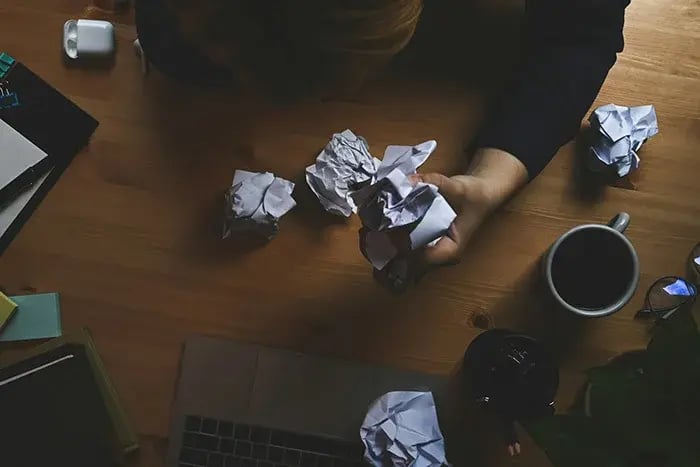
Give your child sheets of paper and ask them to crumple them into compact balls, using one hand at a time. This simple activity works the muscles of the hands and fingers while encouraging coordination. Use colourful paper or turn it into a game by seeing how many paper balls they can make in a set time.
Threading Beads
Give your child larger beads and a length of string or yarn and ask them to thread the beads one at a time. This requires finger strength, precision and hand-eye coordination. Start with larger beads and move to smaller ones as their control improves. The activity also encourages concentration.
Signs Your Child May Need More Hand-Strengthening Practice
Some children may benefit from more opportunities to practise hand and finger strength. Parents can watch for signs such as:
- Frequently avoiding writing, drawing or colouring activities.
- Getting tired quickly during handwriting tasks.
- Complaining of hand discomfort or fatigue while writing.
- Difficulty holding or controlling a pencil.
- Using an awkward or overly tight pencil grip.
- Struggling with tasks such as buttoning clothes, tying shoelaces or using cutlery.
- Handwriting that becomes increasingly difficult to control during longer tasks.
These signs do not necessarily mean that a child has weak hand muscles. If difficulties are persistent or interfere with schoolwork and everyday activities, parents can discuss them with a paediatrician, occupational therapist or the child's teacher.
Conclusion
Hand and finger strength can make everyday writing and fine motor tasks easier for children. Simple activities such as playdough, squeezing soft balls, using clips, cutting paper, crumpling sheets and threading beads can turn practice into play. A few minutes of these activities regularly can help children build coordination and confidence over time. Choose activities your child enjoys and keep the practice consistent rather than making it feel like another school task.
Frequently Asked Questions
What are signs that a child has weak hand or finger strength?

Common signs can include tiring quickly while writing, avoiding fine motor tasks, difficulty with pencil control and struggling with activities such as buttoning or tying shoelaces.
How often should kids practice hand-strengthening exercises?
Children can practise these activities for a few minutes regularly, depending on their interest and comfort. Consistency is more useful than making each session long or tiring.
Can weak hand muscles affect a child's handwriting permanently?
Weak hand strength can make handwriting more difficult, but it does not mean poor handwriting is permanent. Regular practice and appropriate support can help develop fine motor skills and writing confidence.
Her love for storytelling began with reading her grandfather’s speeches, where Tarishi saw the power of words in creating lasting memories. Combining her passions for food and writing, she has turned her life into a fulfilling path of sharing stories that celebrate flavours and how food brings communities together.
The views expressed are that of the expert alone.
Popular Topics