




 Parenting Guide


 Child Health & Growth


 Learning & Skills Development


 Food & Nutrition


 Bournvita





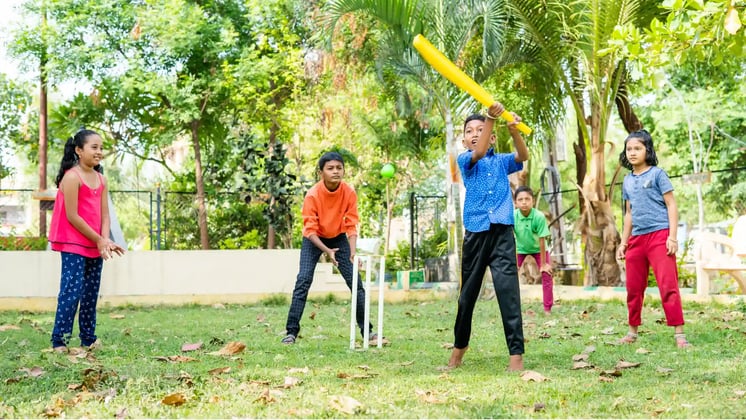
Inculcating the mindset of a winner in your child is a good way to improve their performance in sports and activities. But it’s true that all sports and competitive activities come with their fair share of losses. While it is certain that failure doesn't define a child's worth, sometimes it may become a bit difficult for parents to explain this to their child.
As a parent whose child is continuously involved in competitive sports and extracurricular activities, you may be able to relate to this. During times of debacles, your child will need your support more than ever. If you are wondering how to support your child during times of failure mentally, here are some tips and tricks for parents.
Why Do Children Struggle With Failure?
Children feel failure more strongly because their sense of who they are is still growing. Kids often think that how they do in a game or on a test says more about who they are than what happened. This can quickly lead to self-doubt. A lot of kids are also sensitive to how adults react and may be afraid of disappointing their parents or teachers. As emotional regulation is still growing, disappointment can be very strong and hard to deal with. Social comparison adds another level, especially when kids see their friends do well while they are having a hard time. Handling failure for kids requires time and reassurance. With time and help, kids learn that failures are only temporary and that they can grow from their mistakes.
Teaching Resilience Through Failure
Positive Outlook Towards Failure
As a parent, you must remember that a child will learn to respond to different situations by looking at your responses to the same situation. Thus, it becomes imperative to have a positive outlook towards the failures of your child. Your role as a parent should be to constantly motivate your child to do their best. You may also make them understand the value of participation and playing the game with utmost honesty and sportsmanship.
Listen To Their Feelings
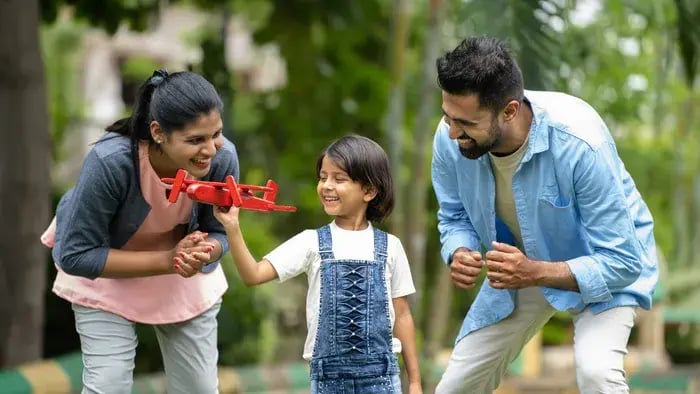
It is quite natural for a child to feel demotivated after losing in a certain activity or a competition, despite practicing so much. In such a situation, as a parent, the best you can do is listen to them expressing their feelings. Children are supposed to feel the most secure with their parents. Hence, you must give your child the opportunity to express themselves freely without the fear of judgment. This may also serve as a therapeutic experience for your child, and they might instantly start feeling better. Always remember to validate what they're feeling.
Let Them Take a Break
If your child feels oversaturated after losing in a sports tournament or any activity that they have been practicing for a long time, let them take some rest. A brief sabbatical will help them analyze their performance and come back stronger. Consider this break as an opportunity to mentally strengthen them and make them understand the importance of failures in one's life. During this break, encourage them to try different activities that will help them relax and distract their mind.
Make A Dynamic Schedule For Your Child
As a parent, always try to make your child do different activities throughout the day. Encouraging them to try different experiences helps widen their perspective. Practicing a singular sport or an activity continuously may overstimulate the child and suppress him/ her with unnecessary pressure to perform well. A hybrid mixture of sports, mental activities, academics, and playing with friends helps keep the child happy.
Set Achievable Goals
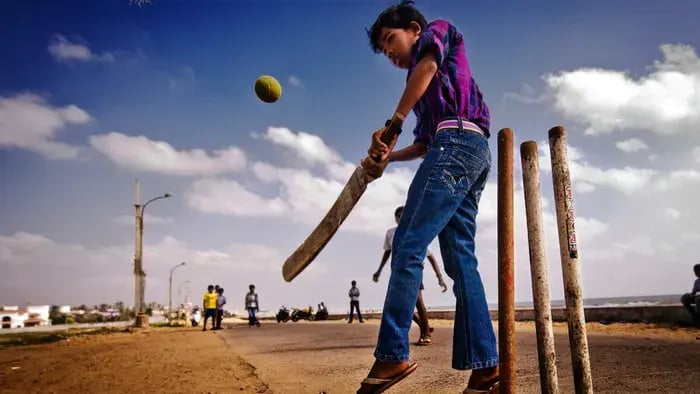
To achieve a certain goal, it is always a nice idea to plan a certain series of steps that one needs to follow. However, for children, one must understand that over-expectations are never fruitful in the long run. Children should be allowed to discover their capabilities in a particular field on their own. Let the child experience the joy of pursuing a sport without having to worry about the output. This may help keep the child's interest active and avoid any unnecessary fear of failure.
Reward Them For Participating
To make your child understand the importance of participation, try to give them small prizes every time they participate in a particular activity or sport. The prize can be something as simple as a candy. This small gesture will make them feel appreciated and encourage them to participate even more. Recognizing their efforts and hard work, despite the output, is a good way to keep them motivated.
Let Them Socialize
There are many things that a child might not be able to share with their parents. Just like adults, children also like to socialize and make friends. As a parent, giving your child the liberty to make friends and socialize as much as they like may have many positive consequences. Having friends may be quite helpful during times of failure, as children can be extremely empathetic and share each other's sorrows. Also, spending time with friends allows the child to forget about failures and concentrate on enjoying the process of playing and learning new things.
What Should Parents Say After Failure?
- "I'm proud of you for giving it a shot." This tells kids that trying hard is more important than getting good results. It also helps them feel important even when things don't go as planned, which makes them less afraid to try again.
- "It's okay to be sad." When you talk about your feelings with your kids, they learn that it's okay to be disappointed. When kids are allowed to feel their feelings, they learn to deal with them rather than hide or feel bad about them.
- "What do you think you could do better next time?" This changes the focus from blame to learning. It helps individuals think through problems and solve them while keeping the tone positive rather than negative.
- "One result doesn't define you." This helps kids not tie their self-worth to how well they do. It reminds them that mistakes or losses are only temporary and don't show what they can do or how good they are.
- "I'm here for you whenever you want to talk." Being there for someone instead of giving them advice makes them feel safe. Children feel supported without being pushed, which helps them feel better about themselves and move on.
Building A Growth Mindset: 5 Tips To Inculcate In Kids
1. Teach Kids To Separate Their Value From Their Results
Kids often think that losing a game or doing badly means they are "not good enough." Parents can help them gently figure out how to separate who they are from what happened. Instead of calling someone a "winner" or "loser," talk about their effort, preparation, and the situation. This approach supports handling failure for kids by making setbacks feel temporary instead of personal. Children feel safer trying again when they know that failure is just a moment in time, not who they are. They gain confidence over time by believing in themselves rather than always succeeding, which is important for long-term emotional strength.
2. Teach Kids How To Express Their Feelings After Things Go Wrong
Kids need to be able to feel frustrated, embarrassed, or sad when they fail. Instead of telling them to "move on" or ignoring them, tell them to talk about how they feel. Giving names to feelings helps kids deal with disappointment in a healthy way. When your child admits how they feel, it gets easier to get over it. Kids learn over time that it's okay to be sad and keep going. Emotional awareness becomes a strength rather than a weakness, helping them better manage stress in sports, school, and social situations.
3. Promote Long-Term Thinking Instead Of Quick Results
Kids live in the present, so failing can feel like the end. Parents can help by focusing on long-term growth. Explain how practice and consistency help skills get better over time. Tell them that today's loss is just one step on a longer path. This way of thinking makes it less likely that you'll panic or give up when things go wrong. Kids stay motivated even when progress seems slow if they learn to think beyond short-term results.
4. Allow Safe Failure Without Immediate Rescue
Parents want to keep their kids from being disappointed, but stepping in too soon can stop them from learning. Let kids fail a little bit, like losing a game or having trouble with a new skill. Being there for someone without trying to fix things teaches them to be independent. Kids learn how to deal with problems, cope, and get better on their own. Kids learn to trust themselves more and need less reassurance from others as they get older. They are ready for bigger problems later in life if they learn how to deal with small failures.
5. Reinforce the Value of Showing Up
Sometimes the most important thing is just to take part. Stress the importance of being committed, practicing, and showing up on time. Kids stay interested longer when they know that effort counts even when things don't go their way. Celebrating participation helps kids learn how to be brave and responsible. As time goes on, they learn to take pride in their persistence instead of just their performance. This way of thinking helps kids enjoy activities more and gives them the strength to handle school, relationships, and future goals.
Conclusion
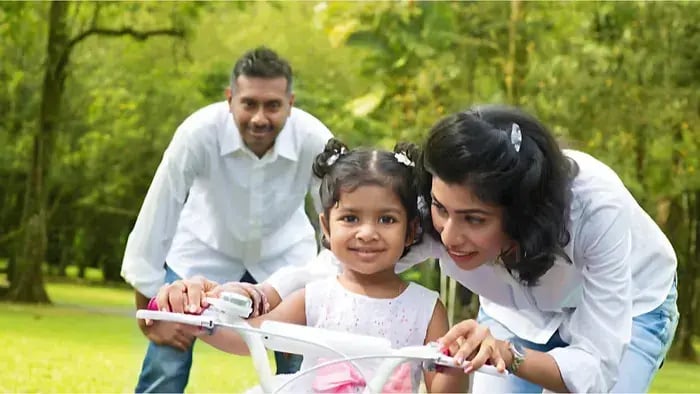
These are just a few useful ways parents can help their kids get through everyday problems, such as in sports, school, or other activities. Listening, reassuring, and guiding kids are small, consistent things that help them deal with disappointment in a healthy way. Over time, these everyday reactions teach kids that failure is okay, that learning is a process, and that patience, hard work, and ongoing support are better ways to build confidence than instant success.
Pakhi writes with the belief that dessert isn’t just a dish—it’s a mood. Her work blends storytelling with tips, turning timeless treats and trendy bites into accessible moments of comfort, celebration, and creative expression.
The views expressed are that of the expert alone.
Popular Topics