




 Parenting Guide


 Child Health & Growth


 Learning & Skills Development


 Food & Nutrition


 Bournvita





Introduction

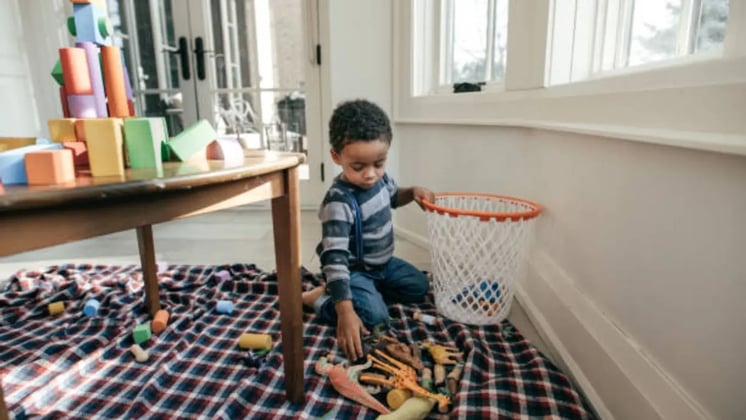
A messy bedroom rarely gets cleaned with one huge push. It gets cleaner through small, shared routines that are built consistently over time. If tidying up is a team effort rather than a solo parental task, it changes the whole way a child approaches the process. The job feels a whole lot less overwhelming for everyone involved—when you break things down into smaller steps, like sorting laundry before you put away toys.
A messy room, despite repeated reminders, often points to a system problem more than a motivation problem. Kids' room organization tips work best when they focus on creating long-lasting habits, not doing a one-time cleanup before guests unexpectedly arrive. Below are sections on why this is important and how to get it to happen consistently at home. Small, repeatable systems last longer than any single spurt of enthusiastic tidying.
10 Kids Room Organization Tips Every Parent Should Know
1. Create a Cleaning Routine
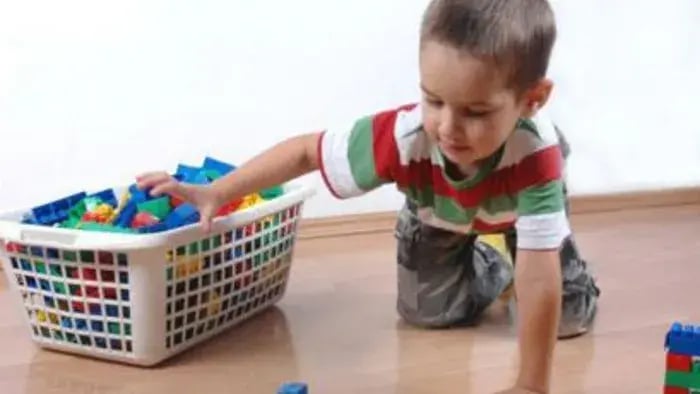
A quick daily tidy, with a more thorough weekly clean, stops messes accumulating unnoticed. Ten minutes each night, putting things back where they belong, keeps the room manageable for the whole week. The best results occur when the routine is done at the same time, such as right before bed.
2. Involve Your Child
Giving children age-appropriate tasks like sorting laundry or putting books on a shelf builds hands-on ownership quickly and naturally. A five-year-old can manage basic labelled bins, while an older child can reset a whole room independently. Starting small and building up responsibility helps so the task doesn’t feel overwhelming or unfair.
3. Use Storage Solutions
Labelled bins and baskets make it clear where each thing lives, so the decision-making every single day goes way down. Containers with pictures or that are clear are especially helpful for children who aren’t yet able to read fluently on their own. This little addition will save a lot of time cleaning it up as well as finding specific items later.
4. Declutter Regularly
Broken toys, clothes that do not fit, and unused things take up space quietly, which could be used for better things. A quarterly sort-through, with a child’s help deciding what to keep, donate, or discard, prevents slow, silent buildup. Doing this on a regular basis prevents storage solutions from getting choked up within a few months.
5. Establish Designated Spaces
Dedicated spaces for toys, books, and laundry mean that everything has a place and a permanent place to go. A toy bin by the play area and a hamper next to the closet will help to eliminate confusion about where things belong. This structure allows for quicker daily tidying because each item has one obvious, assigned spot.
6. Make the Bed Daily
This one, simple job brings instant order the minute a child walks into their room. It’s quick and easy and doesn’t require any special skill or equipment. If your kids make this a non-negotiable morning habit, you’re setting a small positive tone for the rest of the day.
7. Teach Organizational Skills
Once they have spaces designated, children need to learn how to think about grouping similar things together. Organizing toys by type (e.g., blocks vs art supplies) is an organizational skill that can be transferred to other things over time. This is more than just tidying; it’s teaching a child to think categorically about their stuff.
8. Set Up a Laundry System
You can teach basic sorting skills by providing separate hampers for whites and colors, making laundry day easier for the whole household. This simple two-bin system is manageable by children as young as six with little parental guidance. The smaller setup also reduces the chance of colors bleeding on lighter garments when washing.
9. Incorporate Cleaning into Playtime
Chores become a real game, where you race to put away ten items before the song ends, for example, and that’s a timed challenge. This approach is especially effective for younger kids, who respond well to fun, low-stakes competition. If you frame cleanup as a quick, fun challenge, you can more easily get past resistance than just telling them to clean up.
10. Praise and Reward
Recognizing effort, not just the outcome, reinforces the behaviour a parent wants to be repeated. A simple comment about the neatness and order of the shelf is more effective than criticism about what has not been done. Occasional small rewards, such as extra story time, can reinforce consistent effort without relying too heavily on material incentives.
Age-Wise Cleaning Tasks Kids Can Handle
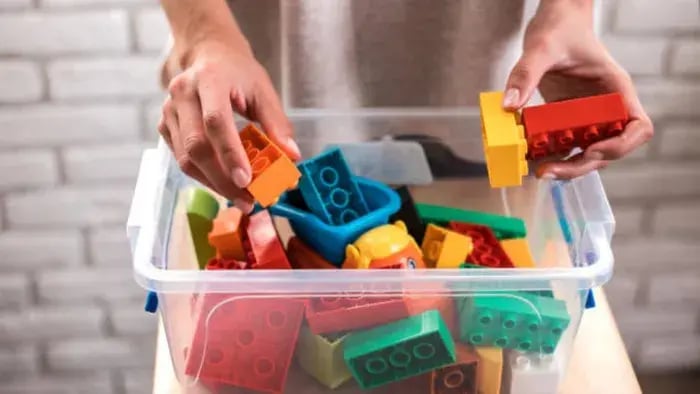
Toddlers can do simple tasks such as putting toys in a designated bin with an adult close by to supervise. Five- to eight-year-olds can make their beds and put laundry in laundry baskets. Kids 9 and up can generally handle full room organization, decluttering, and rearranging their own space. Matching expectations to developmental stage helps prevent frustration in both parent and child.
Conclusion
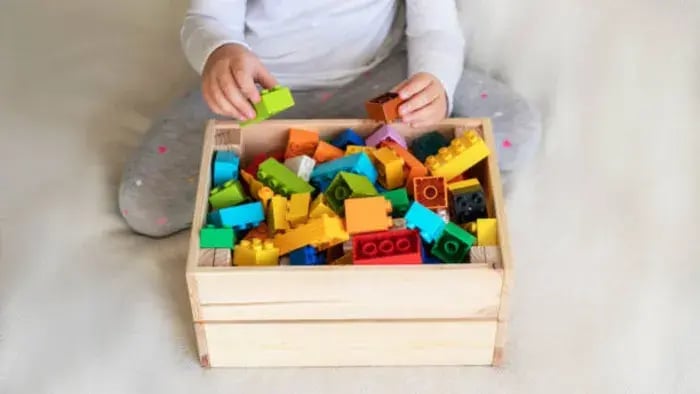
A neat, organized bedroom teaches responsibility and life skills that extend far beyond the bedroom. Doing just two or three tips this week feels much more manageable than completely overhauling the space right off the bat. It’s the little, consistent routines, built up gradually, that create lasting habits rather than short-lived surges of tidiness. Over time, these habits develop a child who truly owns their own space.
Frequently Asked Questions
How can I get my child to keep their room clean without constant reminders?

Labelled storage and a consistent daily routine involving the child in decision-making—all of these can help to reduce reminders. Younger children are less likely to resist when asked to play games instead of being told to do tasks. Over time, when children are asked to play games, they develop independent tidying habits.
What age-appropriate cleaning tasks can young kids do?
Toddlers can put toys in a certain bin, and kids five through eight can make their bed. Most children nine and older are capable of organizing an entire room on their own, sorting, decluttering, and rearranging.
Smriti is a content writer who creates clear, practical, and informative content backed by science and relevant data. With a strong understanding of structured writing, she breaks down complex topics into simple, actionable insights. Her work is focused on helping readers prepare, learn, and grow with confidence and clarity.
The views expressed are that of the expert alone.
Popular Topics