









Introduction
Children always dream about getting good marks and top ranks while they prepare themselves for examinations. Preparing for good results or higher ranks does not come from staying motivated without a plan. Reaching such milestones requires proper planning and goal setting in the initial stage for children to follow for better results.
Realistic goal planning is one of the most essential things that children should look out for while aiming to achieve higher results and marks. Parents and children should know certain aspects and advantages of realistic goal setting for exam preparation, along with its importance. Keep on reading to know more about it.
What Is Goal Setting?

There is a very easy way to understand goal-setting theory. When a child is dreaming about getting good marks, they will constantly think about different ways to attain it. Those different ways will lead to different paths in front of the student to follow in their mind.
Along with these roads, there will be various obstacles, too. While deciding which way to go first, children carefully plan out step-by-step analysis to conquer their exam stress and preparedness. The proper gateway or the blueprint of all these steps together for one initial attaining of the task, which might be achieving higher marks or greater rank, is known as the gold setting.
Importance of Setting Realistic Goals for Exam Preparation
Setting realistic goals is extremely important for exam preparation—children who are setting realistic goals and plans for their exams heavily benefit from the planning.
1. Children setting realistic goals get a clear view of where they are and how much they need to work.
2. Children can plan and execute their study sessions better with a proper goal in mind.
3. Children with clear goals can optimize their mistakes much better than when confused.
4. Clear goal setting ensures that children receive proper guidance without getting lost.
5. Realistic goal setting can also help children attain confidence and assurance.
Vital Tips To Keep In Mind When Setting Realistic Goals for Exam Preparation
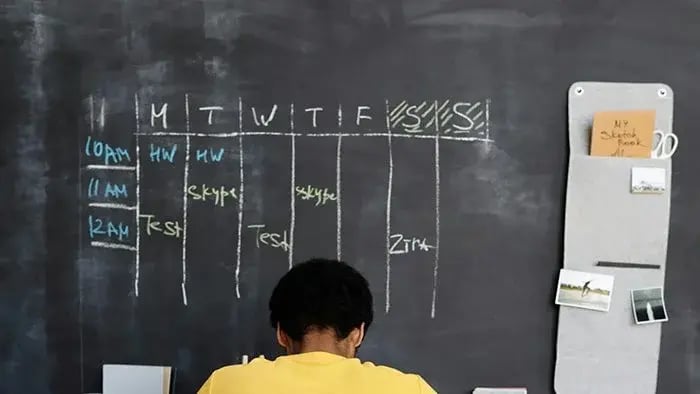
Here are some tips to remember when setting realistic exam preparation goals.
Analyze First
Students are advised to analyze first when setting goals for the examination. It is essential to map out where the students' abilities lie and how strong they need to be to prepare for the examination without any stress.
No Extra Burden
No matter how hard it is for students to attain their set of goals. Students must remember that taking extra stress or burden is not worth it. Progress is a journey and not a one-day result.
Discussion
Sometimes, discussing goals and plans with adults for extra guidance is good. During a proper goal-setting discussion, children can attend various perspectives to find out what is best for them.
It Should Be Concise
Realistic goal setting should be concise and singular so that planning is elaborate. Excessive goal setting or excessive priority can result in over-exhaustion and mental fatigue for students. Students can also face confusion while working in every direction.
Before Setting And After Setting Goal
Students should always think about an action plan after setting the goal for proper execution. Students should follow up with proper analysis and thought processes to set realistic goals beforehand. Setting goals is a complete process that cannot be stated as a discussion. Realistic goal setting is a routine that should be followed regularly through consistency to attain it.
Cons Of Exam Preparation Without Realistic Goal Setting
Here are some disadvantages for children not setting realistic goals for their examination preparation.
1. Children without proper planning can easily get distracted or confused during the study session, making it harder to follow the syllabus.
2. Without goal setting, children will face tremendous pressure in terms of time management as no planning is involved.
3. Children will have difficulty self-assessing themselves because of improper execution and planning.
4. Children who are overplanning or setting unrealistic goals will have to work extra hard, which can hamper their mental health.
5. Over-the-top goal setting is not advised because it can make children more worried and less confident due to extra pressure.
Conclusion
Realistic goal setting is one of the essential things to follow up on even before the exam season begins for a long-term benefit or a long-term plan. Students might target different colleges after their board exam or schools after clearing their 10th. It is essential to keep in mind that if they are setting aims for higher ranked colleges or schools, they should set realistic goals to attend and follow them consistently. Without proper goal setting, children will be lost while preparing their level best for the examination.
Smriti is a content writer who creates clear, practical, and informative content backed by science and relevant data. With a strong understanding of structured writing, she breaks down complex topics into simple, actionable insights. Her work is focused on helping readers prepare, learn, and grow with confidence and clarity.
The views expressed are that of the expert alone.
Popular Topics