




 Parenting Guide


 Child Health & Growth


 Learning & Skills Development


 Food & Nutrition




Introduction
Growing teenage girls need balanced nutrition to support puberty, physical activity, hormonal changes, and overall growth. Including the best protein foods in daily meals helps improve energy, strength, immunity, and muscle recovery. Along with exercise and active lifestyles, protein rich Indian foods play an important role in supporting healthy growth and maintaining stamina. Proper nutrition for teenage girls is essential today because busy schedules, junk food habits, and low physical activity can negatively affect health, energy levels, and long-term well-being.
Why Protein Is Important for Young Girls?
Protein supports growth, energy, hormones, immunity, and muscle recovery while helping teenage girls stay active, healthy, and physically strong daily.
Growth and puberty support
Protein supports hormonal changes, muscle development, bone strength, and healthy body growth during puberty and teenage development years.
Muscle strength
As the building block of muscles, proteins help maintain muscle mass and promote gain in muscle during strength training. Also, simply eating protein-rich healthy foods ensures extra strength in young girls.
Bone health
Unlike popular myths about proteins being bad for bones, recent research by healthcare professionals has proven that proper protein consumers have better bone mass than others with a lower risk of osteoporosis and fractures in life.
Energy and satiety
Protein helps maintain steady energy levels, keeps girls full longer, reduces unhealthy cravings, and supports better concentration during busy schedules.
How Much Protein Do Teenage Girls Need Daily?
Protein requirements increase with age, growth, puberty, and activity levels. Balanced meals help maintain healthy development and energy every day.
4–8 Years: 19g
Young girls need protein daily for healthy growth, stronger muscles, immune support, brain development, and sustained energy levels.
9–13 Years: 34g
Pre-teens require higher protein intake to support puberty, school activities, physical growth, sports participation, and overall healthy body development.
14–18 Years: 46g
Teenage girls need more protein for hormonal balance, stamina, stronger muscles, bone support, recovery, and maintaining healthy physical activity levels.
Best Protein-Rich Indian Foods for Young Girls
Therefore, proteins should ideally comprise between 25 to 35% of your young girls’ diet. So, for girls aged 4 to 8, 19 gm of protein is a must, young girls aged 9 to 13 should consume 34 gm of protein, while teenage girls between 14 to 18 require 46 gm of protein daily. Therefore, it is important for parents to include correct portions of protein-rich foods throughout the day to meet their daily dietary requirements. Here are some of the best protein-rich foods for young girls to boost their strength and stamina.
Cottage cheese
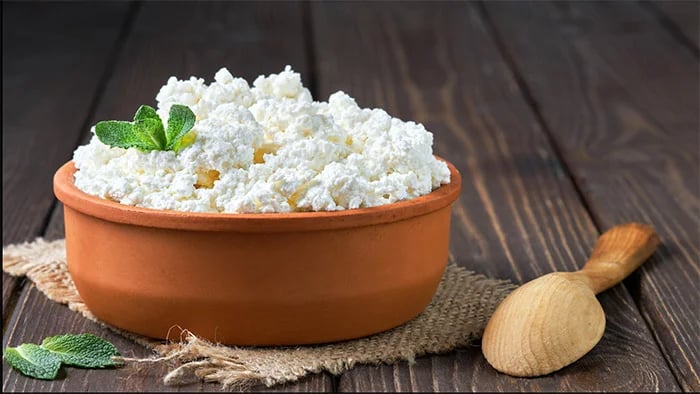
Cottage cheese is a wonderful source of protein for young girls as a standard cup provides 11 gm of protein at the expense of only 98 calories, making it an ideal protein-rich food for girls. Since it also provides calcium, potassium, and magnesium as well, incorporating some in daily meals is a great idea for your children.
Greek yogurt
Greek yogurt is the ideal protein companion for young girls this summer. Since a cup of it is only 59 calories, providing 10 gm of protein, along with some calcium, B vitamins, and potassium, you can further enrich this nutrient powerhouse with some fresh berries or sliced mangoes to delight your daughter.
Eggs
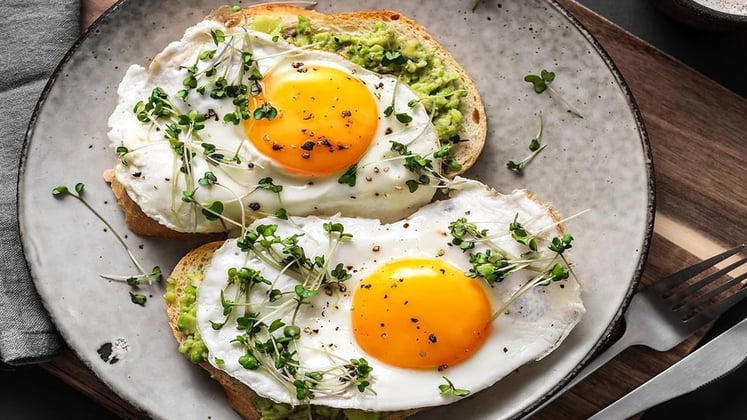
Eggs have always been a rich source of protein, while also offering iron, vitamins B, D, and calcium, among other nutrients. Pair them poached or boiled, with some fresh fruits and toast for a nourishing breakfast for young girls.
Quinoa
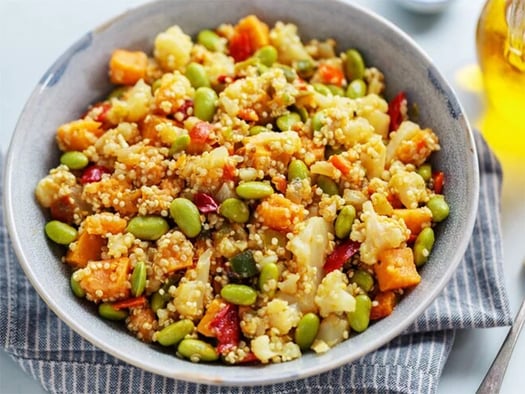
Quinoa is one of the rare foods containing all 20 amino acids essential for the human body while providing 8 grams of protein per serving. Make a healthy, low-calorie quinoa bowl for your young girl, with some vegetables, chicken or paneer, and nuts of their choice, with a light homemade dressing, for an easy, protein-rich daily meal.
Seeds
Seeds are a fun oddity of nature. Since a whole plant can come forth from it, seeds house an entire kitchen full of nutrients. A simple 30 gm serve of pumpkin seeds provides as much as 9 gm of protein.
Fish
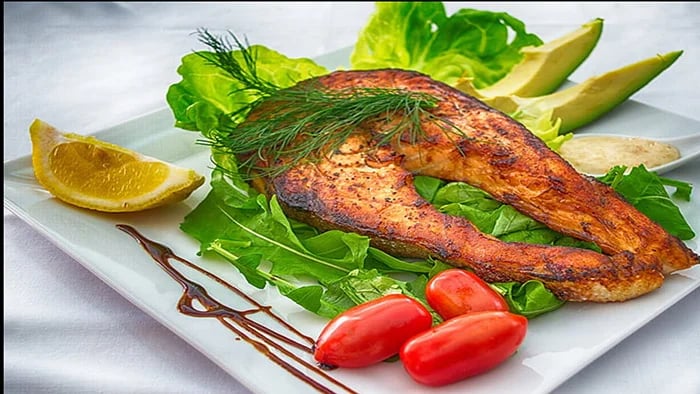
Fish are a wonderful source of protein, iodine, B and C vitamins, magnesium, sodium, and potassium. A simple 100 gm serving of cooked salmon offers as much as 22 gm of protein. This makes fish, especially fatty fish, a rich source of protein and nutrients for young girls.
Lentils, Dal, and Sprouts
Dal, lentils, and sprouts are affordable best protein foods rich in fiber, iron, vitamins, and plant-based protein for daily nutrition.
Soy, Tofu, and Soya Chunks
Soy products provide high-quality vegetarian protein, helping teenage girls support muscle recovery, stamina, growth, and balanced daily nutrition.
Milk and Dairy Products
Milk, paneer, yogurt, and cheese provide calcium and protein together, supporting stronger bones, muscles, immunity, and healthy teenage growth.
Protein-Rich Fruits and Vegetables to Add to Her Diet
Including protein rich fruits and protein rich vegetables in meals helps improve overall nutrition, hydration, immunity, and sustained energy.
Protein-Rich Fruits for Young Girls
Guava, avocado, jackfruit, and banana are nutritious, protein-rich fruits that provide fiber, antioxidants, potassium, hydration, and natural energy. These fruits support digestion, stamina, immunity, and healthy growth while also making snacks and smoothies healthier for active girls. Adding these fruits regularly improves the overall healthy diet for girls.
Protein-Rich Vegetables for Young Girls
Green peas, spinach, broccoli, sweet corn, and mushrooms are nutritious protein-rich vegetables packed with vitamins, minerals, iron, fiber, and plant protein. These vegetables support immunity, stronger bones, better digestion, and daily energy. Including them regularly improves overall nutrition for girls and helps maintain healthy physical development.
Healthy Protein-Rich Snacks for School and After-Class Hunger
Nutritious protein-rich snacks help teenage girls maintain energy, focus, and fullness between school, tuition, sports, and evening activities.
Paneer Rolls
Whole wheat paneer rolls provide protein, calcium, and fiber while helping girls stay energetic, full, and satisfied between meals.
Sprout Chaat
Sprout chaat is rich in plant protein, fiber, iron, and vitamins that support digestion, stamina, and balanced daily nutrition effectively.
Boiled Eggs
Boiled eggs provide complete protein, healthy fats, and important nutrients supporting muscle recovery, energy levels, and healthy teenage development.
Peanut Chikki
Peanut chikki offers protein, iron, healthy fats, and quick energy while satisfying sweet cravings in a healthier traditional Indian way.
Greek Yogurt with Fruit
Greek yogurt with fruit combines protein, calcium, probiotics, and antioxidants that support digestion, immunity, hydration, and overall energy.
Roasted Chana
Roasted chana is an affordable protein rich snack containing fiber, iron, and protein that helps maintain fullness and steady energy levels.
Sample Diet Plan for Teenage Girls
A balanced diet plan for teenage girls should include protein, fiber, healthy fats, fruits, vegetables, and hydration throughout the day.
Breakfast
Include oats, eggs, milk, fruit, or paneer paratha to provide protein, energy, and nutrients for active school mornings effectively.
Mid-Morning Snack
Choose fruits, yogurt, nuts, or roasted chana to maintain hydration, improve concentration, and prevent sudden hunger between classes.
Lunch
Balanced lunches with dal, rice, roti, vegetables, salad, and paneer support steady energy and proper nutrition for teenage girls daily.
Evening Snack
Healthy protein rich snacks like smoothies, sprouts, sandwiches, or boiled eggs help maintain stamina after school or sports activities effectively.
Dinner
Light dinners with soup, dal, vegetables, millet rotis, or grilled protein support digestion, recovery, and healthy overnight nourishment.
Vegetarian Protein Options for Young Girls
Vegetarian best protein foods can easily meet daily nutritional requirements while supporting growth, stamina, and healthy teenage development naturally and effectively.
Dal
Dal provides affordable plant protein, iron, fiber, and energy while supporting muscle recovery, digestion, and balanced vegetarian nutrition daily.
Paneer
Paneer is rich in protein and calcium, helping support bone strength, healthy muscles, energy, and growth during teenage years.
Tofu
Tofu is a versatile vegetarian protein source supporting immunity, muscle recovery, stamina, and a balanced, healthy diet for girls naturally and effectively.
Soy Chunks
Soy chunks contain concentrated plant protein that supports strength, fullness, physical endurance, and healthy teenage growth when included regularly daily.
Sprouts
Sprouts are rich in protein, fiber, vitamins, and antioxidants, supporting digestion, immunity, stamina, and balanced overall nutrition naturally and effectively.
Nuts and Seeds
Nuts and seeds provide healthy fats, minerals, protein, and iron that support hormones, energy, immunity, and healthy brain development.
Protein Foods for Picky Eaters
Creative meals and snacks help picky eaters consume more protein while improving overall nutrition for girls and balanced eating habits.
Smoothies
Fruit smoothies with milk, yogurt, oats, nuts, or seeds make nutritious, filling, and tasty protein-rich options for picky eaters daily.
Stuffed Parathas
Stuffed paneer, dal, or soya parathas provide protein, fiber, and energy while remaining flavorful and easy for children to enjoy.
Protein-Rich Sandwiches
Sandwiches with paneer, eggs, sprouts, or grilled tofu create balanced meals supporting energy, fullness, and healthy teenage growth naturally daily.
Mini Idlis with Dal
Mini idlis paired with dal provide carbohydrates, protein, and fiber together, supporting digestion, stamina, and steady energy for active girls.
Paneer Tikka Bites
Paneer tikka bites are flavorful protein snacks supporting muscle growth, fullness, energy, and healthy eating habits among picky teenage girls.
Mistakes Parents Should Avoid While Planning Protein Intake
Balanced protein intake matters because excessive supplements or poor meal planning may negatively affect overall health and long-term nutrition habits.
Depending Only on Supplements
Whole foods should remain the main protein source because supplements alone cannot provide complete vitamins, minerals, fiber, and balanced nutrition.
Ignoring Vegetables and Pulses
Vegetables, dal, sprouts, and pulses provide fiber, iron, and micronutrients essential for healthy energy levels and proper teenage development.
Skipping Breakfast
Skipping breakfast reduces energy, concentration, and stamina while increasing unhealthy cravings and irregular eating habits during busy school schedules.
Overloading Protein Without Balance
Too much protein without balanced carbohydrates, vegetables, and hydration may affect digestion and overall nutritional balance in growing teenage girls
Not Consulting a Doctor for Special Needs
Girls with allergies, deficiencies, medical conditions, or dietary restrictions may require personalized nutritional guidance from healthcare professionals for proper health.
Conclusion
Proteins are essential for young girls, especially in the 21st century. Since their lives are so hectic and full of school lessons, co-curriculars, tuition, and other commitments, they have little time to rest and replenish their nutrition levels at ease. Therefore, it is up to parents to incorporate those mentioned above best protein-rich foods into their young girls’ diet for them to grow and thrive.
Frequently Asked Questions
What are the best protein foods for teenage girls?

Eggs, paneer, dal, yogurt, sprouts, tofu, nuts, seeds, milk, and soy products are among the best sources of protein for teenage girls. These foods support growth, stamina, and healthy development.
Which Indian foods are high in protein?
Dal, rajma, chana, paneer, curd, soy chunks, sprouts, and millet-based meals are nutritious, protein-rich Indian foods that support balanced nutrition and energy.
Are fruits a good source of protein?
Some protein rich fruits like guava, avocado, banana, and jackfruit provide small amounts of protein along with fiber, vitamins, and hydration benefits.
What are good protein-rich snacks for school?
Healthy protein rich snacks include roasted chana, paneer rolls, boiled eggs, sprouts, yogurt with fruit, nuts, and peanut chikki for sustained energy.
Do teenage girls need protein powder?
Most teenage girls can meet protein needs through balanced meals and whole foods. Protein powders should only be used after professional guidance if necessary.
Kaushiki Gangully is a content writing specialist with a passion for children's nutrition, education, and well-being. With more than five years of writing experience and a science-based background, she provides nuanced insights to help families raise happy, healthy kids. Kaushiki believes in making learning and healthy eating fun, empowering parents with practical, easy advice.
The views expressed are that of the expert alone.
Popular Topics