




 Parenting Guide


 Child Health & Growth


 Learning & Skills Development


 Food & Nutrition


 Bournvita






Introduction

During exam season, tense, quiet homes can surely become happy homes overnight. Children absorb pressure from parents, teachers, and themselves quickly. It’s easy to forget the role of humor in relieving exam stress—especially when serious study is the order of the day. A shared joke, a silly moment, can change a tense mood in the blink of an eye. Manodarpan, India’s student mental health initiative, says emotional support is as important as academic preparation.
Laughter works directly upon the body, relieving tension without any great effort. Laughter is much more important to kids than just fun in a stressful week. It hits physical health, emotional resilience, and family connection all at the same time. This paper discusses the short- and long-term effects of humor. Here are some simple and practical ways parents can bring more laughter into their homes.
Short-Term Benefits of Humor and Laughter on Kids

Stimulating Vital Organs
Laughter increases the volume of air, the oxygenated air, into the lungs. With each deep breath we take, we are helping our heart, our lungs, and our muscles. It also causes the brain to release endorphins, the brain's natural feel-good chemicals. All these changes help to give kids a boost of energy and physical comfort.
Activating and Soothing the Stress Response
Laughter causes a small increase in heart rate and blood pressure, similar to a mild stress response. The laugh subsides and they both fall silent quickly. This seesaw pattern leaves children more relaxed than before; they began to laugh. It serves as a natural release valve for accumulated tension.
Relieving Tension Naturally
Laughing increases blood flow and relaxes muscles throughout the body. This combination helps to relieve some of the physical tightness that stress can create. A good laugh can make children feel so much lighter and at ease. These effects actually help during times of intense studying.
Long-Term Effects of Humor and Laughter on Kids

Improves Immune Function
Chronic stress can, over time, erode a child’s immune defenses. Positive emotions of laughter help release neuropeptides that support immune activity. It could help children to better combat illness during tough times, and habitual laughter will do your kids more good.
Alleviating Pain
Laughter releases endorphins; it is known as the body's own natural painkillers. This can be super helpful for little aches and pains kids get. It helps to improve general health and direct effect on pain. This benefit makes laughter an easy, readily available comfort tool.
Boosting Personal Satisfaction
Humor helps children to be more resilient in difficult or stressful situations. Finding humor in a tough moment actually boosts emotional flexibility. This skill helps children to be more positive in attitude when they face challenges. Laughter also reinforces social bonds, producing a sense of belonging.
Improves Mood and Mental Health
Laughter acts as a natural counter to stress, low mood, and anxiety. Many children are under pressure, which affects their confidence and self-esteem. Regular laughter helps to lift spirits and to restore a sense of self-worth. And that means there are long-term emotional benefits, not just during exam season.
Tips for Parents to Help Reduce Exam Stress Through Humor
Create a Lighthearted Environment
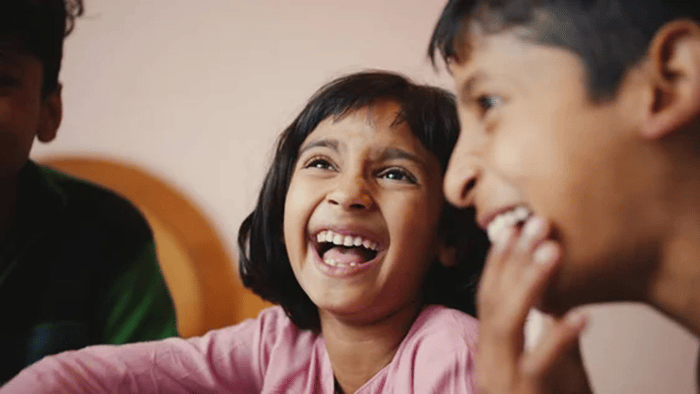
Parents can also demonstrate and encourage laughter in the home freely. Funny stories or silly moments are a natural way of spreading joy. So lightness is a normal state even when kids study intensely. A relaxed home environment helps children to feel safer to express themselves.
Watch Funny Movies or TV Shows
Family-friendly comedies are an easy way for the family to share a laugh together. It takes very little planning and still provides real stress relief. The picking is good, as is the humor, which all the family enjoys. It also offers children a planned respite from continuous studying.
Play Silly Games
Simple games like charades or silly dance contests produce genuine laughter. These fun activities create lasting memories away from the pressures of studying. They also allow children to be spontaneous and light-hearted. Children look forward to exams as they have their regular play sessions.
Use Humor to Diffuse Tension
And a goofy joke or funny face can quickly diffuse a tense moment. This diverts a child’s attention away from frustration or worry. Gentle humor can help to change perspective and not dismiss real feelings. It works especially well just before or after a stressful study session.
Create a Humor Jar
Family members can write funny moments/jokes and save them. These notes go into a shared jar for the stressful days ahead. If someone is overwhelmed, they can pull one out at the same time. This simple ritual makes humor a shared, ongoing family activity.
Take a Laughter Break During Study Sessions
Taking a five-minute humor break between study blocks can also help reset kids focus. A joke or a funny video is good. This organized disruption adds humor to the very exam-studying process. It helps to avoid burnout and keep a light and manageable mood.
Conclusion
When children are under stress, laughter is immediate relief and long-term benefit. It relaxes body, elevates mood, and over time improves immune function. During exam season, a five-minute dose of humor can be a powerful tool to reset one’s focus. Parents don’t need elaborate plans to bring more laughter into daily lives. Trying one small habit like the humor jar can lead to real change.
Frequently Asked Questions
How does laughter help reduce stress in children?

Laughter relaxes muscles, reduces heart rate after a short burst, and releases feel-good endorphins. This combo helps to ease physical tension and emotional stress during difficult times like examinations.
Can humor actually improve a child's immune system?
Yes. Laughter releases positive emotions, which are neuropeptides that can support immune function. Regular laughter coupled with healthy habits may help children fight off illness better.
Is laughter effective for reducing anxiety before exams?
Yes, a little laughter before an exam can reduce stress and improve concentration. Even short humor breaks help to calm nerves and build a steadier testing mindset.
Smriti is a content writer who creates clear, practical, and informative content backed by science and relevant data. With a strong understanding of structured writing, she breaks down complex topics into simple, actionable insights. Her work is focused on helping readers prepare, learn, and grow with confidence and clarity.
The views expressed are that of the expert alone.
Popular Topics